
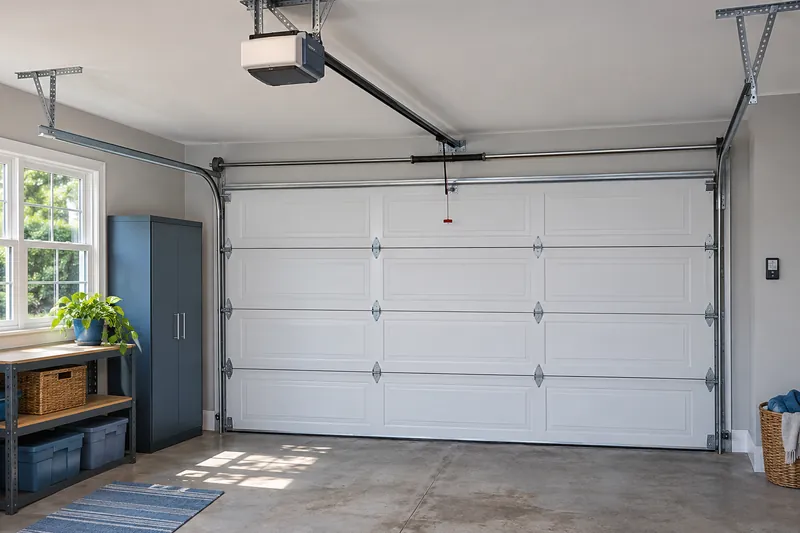

Establish the power situation first
Check what is known about the current supply to the property and whether the opener shows an indication of power. Note whether the opener is dark, shows a light or display, or makes a sound when a control is used.
A nearby light working does not by itself establish the condition of every supply or component serving the opener. Do not open electrical housings or attempt internal wiring work based on a general guide.
Concord Electric Systems provides outage reporting and map information for its customers. Other properties should use their actual provider. A Concord postal address does not establish the utility account.
Compare controls without deciding the repair
If the wall control responds but the remote does not, retain that distinction in the description. If neither responds, note any light, display, sound or indicator the unit shows. Do not assume that a remote battery, a reset or a new motor is the universal answer.
The opener model matters. Lock features, battery arrangements and control behavior vary. Use the specific manual and manufacturer support rather than a procedure for an unrelated product.
Chamberlain support on opener power is one manufacturer reference. It is not confirmation that the product at the property is a Chamberlain model or that a power issue explains its condition.
Consider the condition of the door
A door that is crooked, unusually heavy or visibly damaged needs assessment. Repeated operation can be a poor way to investigate it. The moving door and lifting hardware remain relevant even when the original problem appeared during an interruption.
Manufacturer manual-operation guidance includes precautions about the door and its condition. A manual release is not a safe universal workaround for a damaged system.
Ask what supports the proposed work
A repair recommendation should follow the assessed problem. If a replacement opener is suggested, ask what finding supports it and what happens to the existing door hardware and controls.
The garage repair explanation covers those parts of the scope. Keep a component repair separate from a new assembly or optional upgrade so the agreed result is clear.
For a request, the model, what the controls actually did and the current door position are useful details. There is no need to keep cycling the unit to obtain a more dramatic symptom. Availability and supported work still need checking for the actual address.